


.avif)


All our products are based on clinical research and collaboration with experts.





.avif)
.avif)
.avif)
.avif)
.avif)
.avif)
.avif)

Find out which active ingredients are desirable in a given type of product.
Origin:
Acerola, also known as the Barbados cherry, comes from South America, Central America and the Caribbean. It is a shrub or small tree that bears red, juicy fruits with a very high vitamin C content.
Name:
The word 'acerola' probably comes from Spanish, where it meant a fruit resembling hawthorn.
Use:
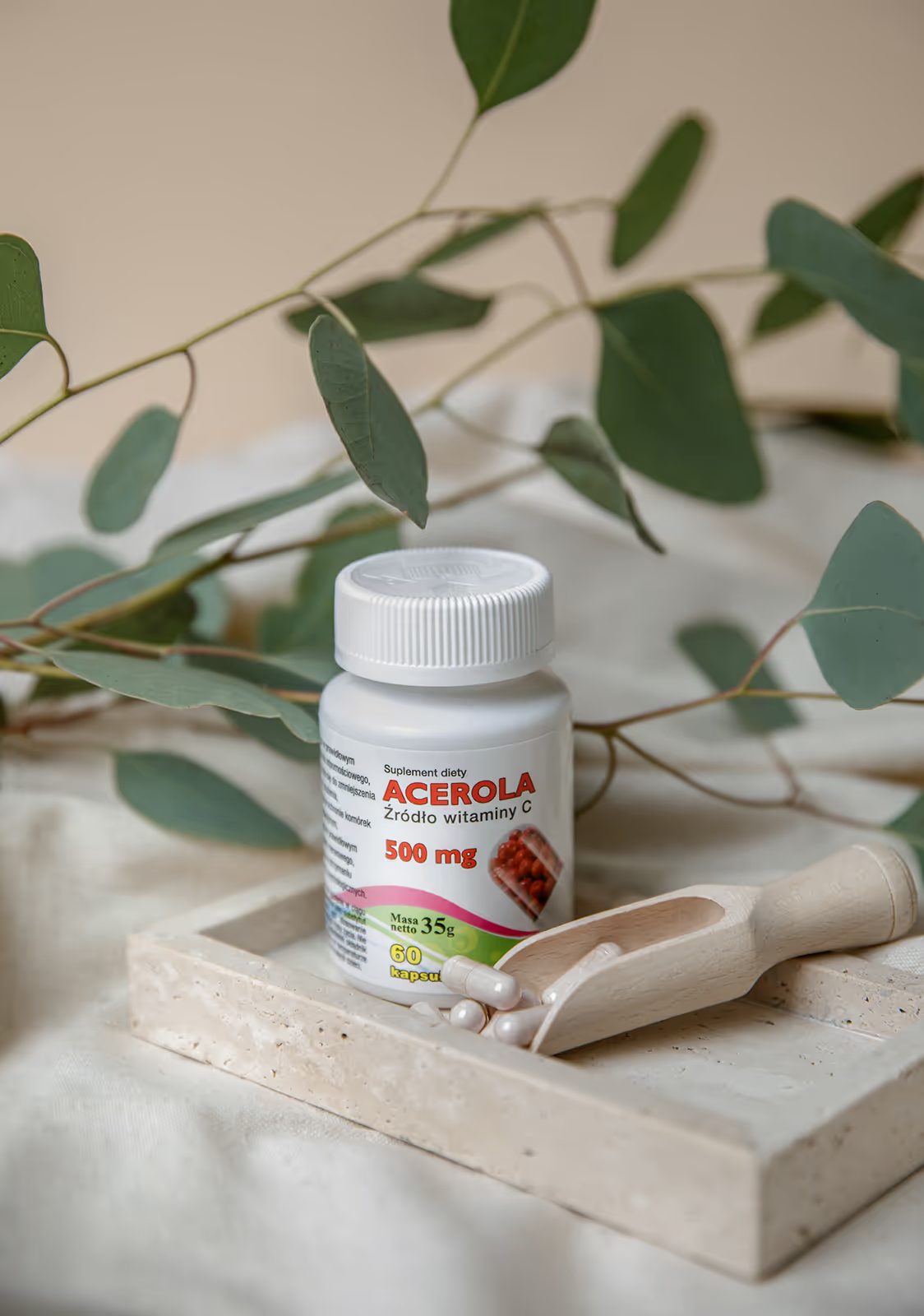
Acerola fruits are used in dietary supplements, cosmetic products and natural juices as a source of antioxidants and vitamin C.
Effect:
Acerola strengthens the immune system, has an antioxidant effect, supports collagen production, improves skin elasticity and speeds up wound healing. It also supports cardiovascular health and may lower blood sugar levels.
Fun fact:
Acerola fruits contain up to 30 times more vitamin C than a lemon! This makes it one of the richest natural sources of this vitamin.
Origin:
Allantoin occurs naturally in the roots of common comfrey, but is now obtained mainly synthetically.
Name:
The name allantoin comes from allantoic acid, which was first detected in the amniotic fluid of mammals.
Use:
This substance is a key ingredient in cosmetics, ointments for irritation, and preparations for scars and skin regeneration. It also has a beneficial effect in preventing skin ageing.
Effect:
Speeds up wound healing and has a moisturising, soothing and anti-inflammatory effect. It helps in the treatment of acne, psoriasis and atopic dermatitis.
Fun fact:
As part of research into closed ecosystems that would support long-term space missions, NASA analysed the possibility of using allantoin as a potential source of nitrogen for the growth of microorganisms. This research aimed to convert waste (e.g. metabolic products) into useful substances such as food or oxygen, which is crucial for long-term space missions.
Origin:
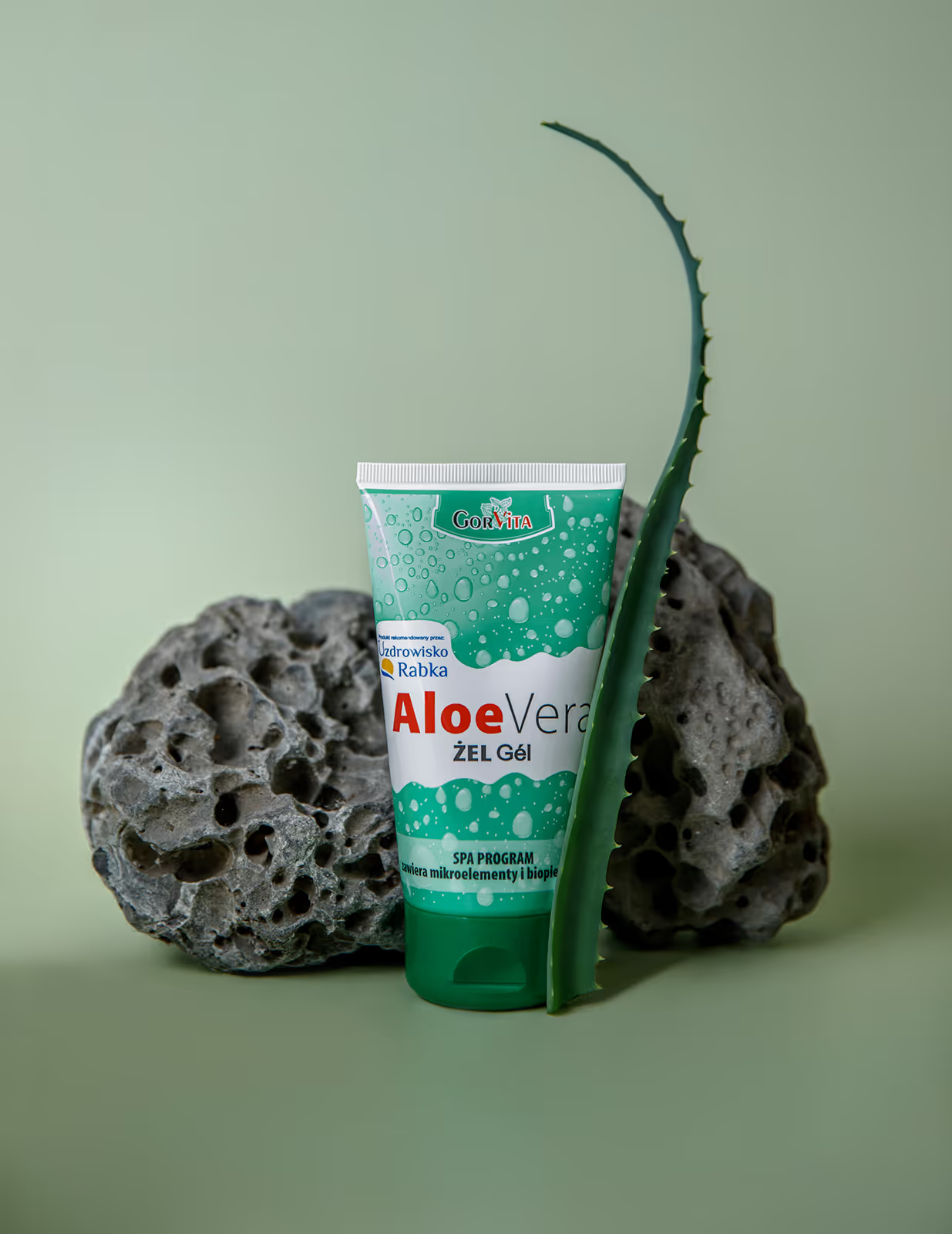
Aloe comes from Africa and the Arabian Peninsula. Today it is grown all over the world. Its fleshy leaves contain a gel rich in active ingredients.
Name:
The name aloe comes from the Arabic alloeh, meaning 'a shiny, bitter substance'.
Use:
Aloe is used externally in ointments and creams. It is used in dermatology, cosmetology and natural medicine.
Its pulp and juice contain many active ingredients, such as polysaccharides, amino acids, vitamins (A, C, E, B12), minerals (magnesium, calcium, zinc), enzymes and antioxidants, which in turn translates into its use in dietary supplements.
Effect:
Applied externally, it has strong moisturising properties, soothes skin irritation, supports wound healing and has an antibacterial, antifungal and anti-inflammatory effect. Consumed, it aids digestion and has a cleansing effect, as well as strengthening immunity.
Fun fact:
The ancient Egyptians called aloe the 'plant of immortality' and used it for skin care and embalming the dead.
Pochodzenie:
Aloes pochodzi z terenów Afryki oraz Półwyspu Arabskiego. Dziś uprawiany jest na całym świecie. Jego mięsiste liście zawierają żel bogaty w składniki aktywne.
Nazwa:
Nazwa aloesu pochodzi z arabskiego alloeh,co oznacza „błyszczącą, gorzką substancję”.
Zastosowanie:
Aloes jest stosowany do użytku zewnętrznego w maściach i kremach. Stosowany jest w dermatologii, kosmetologii oraz medycynie naturalnej.
Jego miąższ i sok zawierają wiele składników aktywnych, takich jak:polisacharydy, aminokwasy, witaminy (A, C, E, B12), minerały (magnez, wapń, cynk), enzymy oraz antyoksydanty, co z kolei przekłada się na jego wykorzystanie w suplementach diety.
Działanie:
Stosowany zewnętrznie ma silne właściwości nawilżające, łagodzi podrażnienia skóry, wspomaga gojenie ran, działa antybakteryjnie, przeciwgrzybiczo i przeciwzapalnie. Spożywany wspomaga trawienie i działa oczyszczająco, a także wzmacnia odporność.
Ciekawostka:
Starożytni Egipcjanie nazywali aloes „rośliną nieśmiertelności” i stosowali go do pielęgnacji skóry oraz balsamowania zwłok.
Origin:
Amber is fossilised resin from coniferous trees millions of years old, mainly from the Baltic Sea region. It was known as far back as antiquity and used both as an ornament and as a remedy.
Name:
The Polish name 'bursztyn' derives directly from the German word Bernstein. It is a combination of two German words: brennen (to burn) and Stein (stone), which literally means 'the stone that burns'.
Use:
In cosmetics and natural medicine, amber is used in the form of powder, tincture or amber oil. It is often used in ointments and creams for skin care and as a bath additive.
Effect:
Amber stimulates microcirculation and has an antibacterial and anti-inflammatory effect. In folk medicine, amber beads were believed to protect against respiratory diseases.
Fun fact:
Baltic amber contains succinic acid, which has anti-inflammatory properties and is used in natural medicine to relieve rheumatic pain.
Origin:
A plant growing in the mountains of Europe and Asia. It is known in folk medicine as a remedy for bruises and injuries.
Name:
It comes from the Greek word arnion (lamb), referring to its hairy leaves.
Use:
Arnica is used in ointments and gels for bruises, muscle pain and swelling. It can also be found in cosmetics for couperose skin.
Effect:
Reduces swelling, improves microcirculation and has an anti-inflammatory and analgesic effect.
Fun fact:
Arnica was once used as a tobacco substitute. Because of its characteristic scent and aromatic properties, its dried leaves were smoked by inhabitants of the mountainous regions of Europe, earning it the nickname 'mountain tobacco' or 'alpine tobacco'.
Origin:
Ashwagandha is an adaptogenic plant, and therefore belongs to the group of herbs and medicinal plants that help the body adjust (adapt) to various stress factors, both physical and mental. It comes from India, the Middle East and Africa, and has been used for thousands of years in Ayurveda as a tonic for the body.
Name:
In Sanskrit, ashwagandha means 'the smell of a horse', which refers to the scent of the root and its attributed ability to impart strength and endurance.
Use:
Ashwagandha is found in supplements that improve immunity, support the nervous system and reduce stress. It is popular among physically active people and those exposed to chronic stress.
Effect:
It reduces cortisol (the stress hormone) levels, improves memory and concentration, has a calming effect, supports the body's regeneration and boosts energy levels.
Fun fact:
Ashwagandha is called 'Indian ginseng' because of its strengthening and adaptogenic properties.
Origin:
A plant found in Europe, Asia and North America. It grows in forests and mountainous areas.
Name:
Vaccinium comes from the Latin term for berry plants, and myrtillus refers to its resemblance to myrtle.
Use:
In supplements supporting eyesight and digestion.
Effect:
Improves microcirculation, strengthens blood vessels, supports eye health and has an antioxidant effect, protecting cells from oxidative stress. It supports the functioning of the mucous membranes in the stomach and small intestine, and contributes to the proper metabolism of carbohydrates, fats and proteins.
Fun fact:
During World War II, RAF pilots ate bilberries, believing they improved their night vision – later research confirmed the beneficial effect of berries on eyesight!
Origin:
A tree native to South America, its main region of occurrence being Chile.
Name:
It commemorates the botanist Peumus Boldus.
Use:
In cosmetology, in skin preparations, it protects the skin against the harmful effects of free radicals and slows down the skin's ageing processes. In supplements supporting the liver and digestion.
Effect:
Improves skin elasticity, reduces and smooths scars of various origins, brightens the skin and eliminates skin discolouration. In supplements it stimulates bile secretion, has an antispasmodic effect on the bile ducts and supports detoxification of the body.
Fun fact:
The indigenous people of Chile have used boldo for centuries for digestive problems and as a body-cleansing agent.
Origin:
It comes from the Mediterranean region but is grown all over the world. It has been used in folk medicine for centuries.
Name:
The Latin name Calendula comes from the word calendae (the first day of the month), which refers to the plant's long flowering period.
Use:
In ointments for wounds, burns and skin irritation.
Effect:
Supports wound healing and has an anti-inflammatory, antibacterial and moisturising effect. Calendula preparations aid the care of dry, atopic skin, and also regenerate chapped skin and speed up the healing of cracks.
Fun fact:
In the Middle Ages, calendula was used as a dye for fabrics and food.
Origin:
A plant found in Europe, Asia and North America, known since antiquity.
Name:
The Latin scientific name of chamomile, Matricaria chamomilla, contains the element 'matricaria', which comes from the word 'matrix' (womb). This may refer to the traditional use of chamomile in relieving menstrual pain.
Use:
Externally in cosmetics and skin ointments. Chamomile contains chamazulene and bisabolol, which have strong anti-inflammatory properties. It has a soothing effect on irritated, reddened and sensitive skin.
Effect:
Soothes irritation and inflammation, speeds up wound healing and eases the symptoms of skin allergies. Chamomile also moisturises and has an antibacterial and antifungal effect.
Fun fact:
Chamomile was used as far back as ancient Egypt as an 'elixir of youth' and a remedy for all skin ailments.
Origin:
Collagen is a structural protein found in the skin, joints, bones and connective tissues. It can be obtained from fish, beef and poultry, or produced synthetically.
Name:
The name collagen has Greek roots, coming from the word 'kolla', which means 'glue'. This term refers to the properties of collagen, which literally glues cells together, acting as a binder in connective tissue.
Use:
In supplements supporting the health of the skin, hair, nails and joints, as well as in anti-ageing cosmetics. Its production decreases with age, which leads to wrinkles, weakened joints, and brittle nails and hair. This is why collagen supplementation has become highly sought after.
Effect:
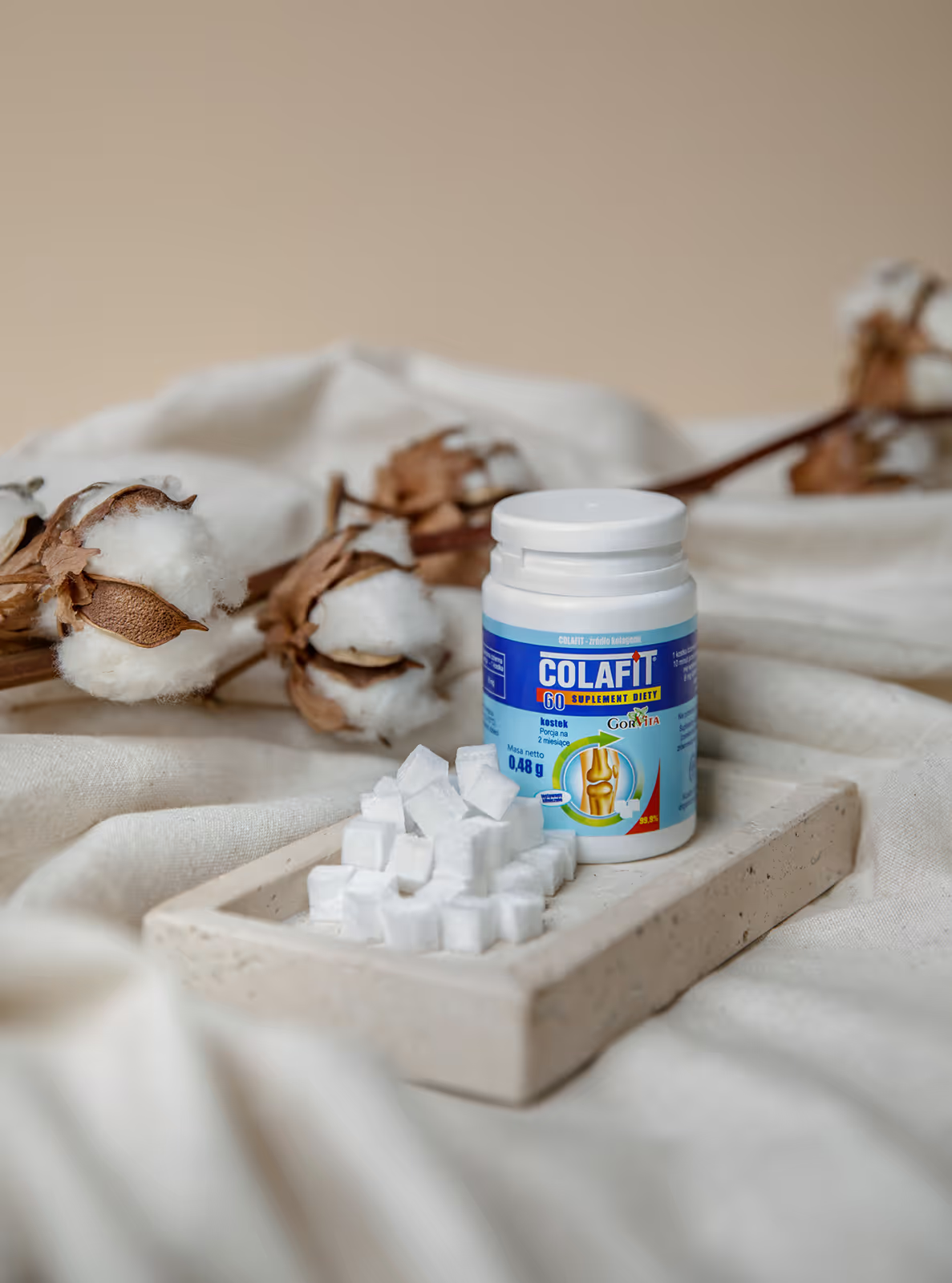
Strengthens connective tissue, improves skin elasticity and supports the regeneration of joints and bones. Regular use can slow down the skin's ageing process. The best and most absorbable form of collagen is the freeze-dried or hydrolysed form. Freeze-drying is a specific method of preservation reserved for the production of medicines and specialist foods. It ensures the highest product purity and the best absorption – up to 90–95%, whereas native collagen (e.g. from food) is absorbed at a maximum of 30%.
Fun fact:
Collagen is an extremely ubiquitous and important protein in the human body, making up as much as around 30% of all the proteins in our body. What is more, our eyes are as much as 90% collagen. Interestingly, the compact structure of the iris, which is rich in collagen, is considered a sign of longevity.
Origin:
A plant native to Europe and Asia, used in folk medicine for centuries.
Name:
Symphytum comes from the Greek word symphyo, meaning 'to join' or 'to knit together', which refers to its regenerative properties.
Use:
In ointments for joint pain, injuries and speeding up the healing of fractures.
Effect:
Speeds up tissue regeneration, soothes muscle and joint pain and has an anti-inflammatory effect.
Fun fact:
Comfrey was once used to treat bone fractures, which earned it the nickname 'knitbone'.
Origin:
A shrub growing in Central and South America, known in the folk medicine of the indigenous Maya and Aztec peoples.
Name:
The name Damiana probably comes from the Latin word damianus, meaning 'taming, soothing'.
Use:
In supplements for improving mood, vitality and libido. Often used as an aphrodisiac.
Effect:
Improves mood, has an antidepressant effect, strengthens the nervous system and helps with fatigue and stress. It also supports the digestive system.
Fun fact:
In some countries, damiana leaves are used as a natural aid for relaxation and improving concentration.
Origin:
A plant native to South Africa, growing in the arid areas of Namibia, Botswana and South Africa.
Name:
The name 'devil's claw' comes from the appearance of the fruits, which have characteristic hooked appendages resembling claws.
Use:
In supplements and ointments for joint pain and rheumatic problems, and as a digestive aid.
Effect:
Devil's claw has strong anti-inflammatory and analgesic properties and supports joint regeneration. It also helps with digestive complaints.
Fun fact:
Indigenous African tribes used devil's claw as a remedy for fever and stomach ailments.
Origin:
A plant native to Asia, especially valued in traditional Chinese medicine.
Name:
Panax means cure-all, and ginseng comes from the Chinese rénshēn (man-root).
Use:
In supplements for energy, immunity and concentration.
Effect:
Has an adaptogenic effect, reduces stress and improves physical and mental performance.
Fun fact:
The most expensive ginseng roots can cost tens of thousands of dollars!
Origin:
Gotu Kola is a plant native to Asia, Africa and Australia, used in Ayurvedic and Chinese medicine for over 3,000 years.
Name:
Centella denotes the versatility of its uses, and Asiatica refers to its Asian origin. Gotu Kola comes from Sanskrit and means 'chalice leaf'.
Use:
Centella asiatica is used in many fields, from natural medicine to cosmetology and pharmacology. Contained in dietary supplements, it improves memory, supports the functioning of the nervous system and reduces stress. It also strengthens the walls of blood vessels, increases skin elasticity and stimulates collagen synthesis.
Effect:
Gotu Kola neutralises free radicals and has an anti-inflammatory and antibacterial effect. Taken orally, it lowers cortisol levels, reduces nervous tension and improves sleep quality.
Fun fact:
One legend says that Bengal tigers, when wounded in fights, rolled in Gotu Kola leaves to speed up the healing of their wounds. Observing this behaviour, people began to use this plant to treat wounds and skin irritation. In Chinese tradition there is a legend about Li Ching-Yuen, a herbalist and martial-arts master who allegedly lived to 256 years by regularly consuming Gotu Kola and other herbs. Although the truth of this story is doubtful, the plant does indeed have a longevity-supporting effect!
Origin:
Green tea comes from China, where it was used over 4,000 years ago as a medicinal and energising drink. Today it is grown in many Asian countries.
Name:
Camellia sinensis means 'Chinese camellia' – a reference to the plant's appearance and origin.
Use:
In dietary supplements, cosmetics, detox teas and weight-management products.
Effect:
Rich in antioxidants (catechins), it supports metabolism, has anti-cancer properties, improves heart function and supports the immune system.
Fun fact:
Green tea contains L-theanine – an amino acid that improves concentration and has a calming effect, reducing stress without causing drowsiness.
Origin:
Obtained from hemp (Cannabis sativa), it contains cannabidiol (CBD) and has no psychoactive effect compared to tetrahydrocannabinol (THC).
Name:
CBD is an abbreviation of cannabidiol – one of the main active substances of hemp.
Use:
In supplements supporting stress reduction, chronic pain, sleep and the body's regeneration. In cosmetics and skin preparations such as ointments and creams.
Effect:
Has an anti-inflammatory, analgesic, neuroprotective and calming effect. It may help in the fight against insomnia and anxiety. In cosmetics it supports skin regeneration: it speeds up the process, regulates sebum production, helps with acne and reduces oily skin.
Fun fact:
CBD oil shows remarkable versatility in its effect on the human body, acting on over 65 different molecular and cellular targets. This wide range of interactions means CBD oil can be helpful in many diverse conditions – from neurodegenerative diseases, through mental disorders, to cancers.
Origin:
A tree native to the Balkans, now widely cultivated in Europe and North America. Its seeds – conkers – have numerous medicinal properties.
Name:
Hippocastanum means 'horse chestnut', because it was once believed that conkers helped treat horses with respiratory diseases.
Use:
In supplements and ointments for varicose veins, haemorrhoids and leg swelling. It is also an ingredient in cosmetics that strengthen blood vessels.
Effect:
Strengthens the walls of blood vessels, has an anti-inflammatory and anti-swelling effect and supports blood circulation. Used in the treatment of chronic venous insufficiency.
Fun fact:
The main active ingredient of horse chestnut – aescin – has a strong anti-inflammatory effect and is used in many medicines for vascular problems. It is worth noting that despite its popularity in Poland, the common horse chestnut is not native to the country. It was brought to Europe in the 16th century from the Balkan Peninsula, and 100 years later became the main ornamental tree in Polish parks.
Origin:
Sodium hyaluronate is the sodium salt of hyaluronic acid, which occurs naturally in the skin, synovial fluid and the vitreous body of the eye. It can be obtained synthetically or through bacterial fermentation.
Name:
The term hyaluronate comes from a combination of two Greek words: hyalos, meaning 'glassy' or 'transparent' (a reference to the gel-like consistency of the substance), and uronic acid, which is a component of this compound.
Use:
Hyaluronic acid is used externally in moisturising cosmetics and joint ointments, and consumed in ophthalmic preparations and anti-ageing products.
Effect:
It strongly binds water, moisturises the skin and mucous membranes, supports joint regeneration, improves skin elasticity and reduces the visibility of wrinkles.
Fun fact:
Sodium hyaluronate can hold water up to 1,000 times its own weight, making it one of the best natural moisturisers.
Origin:
Japanese ginkgo (Ginkgo biloba) is one of the oldest trees in the world, having survived for millions of years. It comes from China and has been used in traditional medicine for over 5,000 years.
Name:
Ginkgo comes from the Japanese pronunciation of the plant's Chinese name, and biloba means 'two-lobed', referring to the characteristic shape of the leaves.
Use:
In supplements supporting memory, concentration and the circulatory system, and in cosmetology as an ingredient in skin preparations in many forms, including ointments, gels, creams and toners.
Effect:
In cosmetics it neutralises free radicals, slowing down the skin's ageing process, and stimulates the supply of oxygen and nutrients to the skin, making it look healthier and more radiant. In supplements it improves cerebral circulation, supports memory and cognitive function, and has an antioxidant and anti-inflammatory effect. It may also reduce tinnitus and improve the condition of blood vessels.
Fun fact:
Japanese ginkgo is so resistant to environmental conditions that several trees survived the atomic bomb explosion in Hiroshima in 1945.
Origin:
A coniferous shrub found in the northern hemisphere, from Europe to North America. Its fruits – juniper berries – have been used in medicine and cooking for thousands of years.
Name:
The Latin name Juniperus comes from a Celtic word meaning 'rough', which refers to the plant's prickly needles.
Use:
In digestive supplements, diuretic preparations, skin-cleansing cosmetics and ointments for rheumatic pain.
Effect:
It has antibacterial and diuretic properties, improves digestion and supports kidney function. Applied externally, it has a warming and anti-inflammatory effect.
Fun fact:
During the plague epidemics of the Middle Ages, people carried pouches of juniper berries or placed them in doctors' masks, believing they protected against the plague thanks to their antiseptic and disinfecting properties.
Origin:
Kudzu is a climbing plant native to East Asia, mainly China and Japan. It has been used in traditional medicine for thousands of years.
Name:
The word kudzu comes from the Japanese name for this plant (kuzu). In botany it is known as Pueraria lobata.
Use:
In supplements supporting the fight against addictions (especially to alcohol and nicotine), improving the functioning of the circulatory system and regulating blood sugar levels.
Effect:
Kudzu contains isoflavones, which have an antioxidant effect, improve circulation and support detoxification of the body. It may reduce cravings for alcohol and reduce the effects of its consumption.
Fun fact:
Kudzu is such an expansive plant that in the United States it is considered invasive, because it spreads extremely quickly and smothers other plants.
Origin:
Lavender comes from the Mediterranean region and was used as far back as ancient Egypt, Greece and Rome.
Name:
'To wash' or 'to bathe' is the meaning of the word lavare, from which the name lavender derives. It reflects the traditional use of lavender in antiquity: in bath water and for washing and scenting clothes.
Use:
Lavender is used in aromatherapy, cosmetics, calming ointments and supplements that improve sleep quality.
Effect:
It has a relaxing, anti-inflammatory and antibacterial effect and supports the nervous system. Lavender oil is used for headaches, nervous tension and insomnia.
Fun fact:
During World War I, lavender was used to disinfect soldiers' wounds.
Origin:
Lutein occurs naturally in many foods, mainly in dark green vegetables (kale, spinach, broccoli) and in yellow and orange fruits.
Name:
It comes from the Latin luteus, meaning 'yellow', which refers to the colour of this substance.
Use:
In supplements supporting eyesight, preventing macular degeneration and protecting the eyes.
Effect:
It is a strong antioxidant that protects the retina from the harmful effects of UV radiation and blue light. It may slow down degenerative eye processes.
Fun fact:
Lutein accumulates in the macula of the eye, where it is responsible for proper vision. Its deficiency can lead to a deterioration in visual acuity.
Origin:
Magnesium is a chemical element occurring naturally in water, soil and plants. Nuts, cocoa, bananas and leafy vegetables are rich sources of magnesium.
Name:
It comes from the Greek region of Magnesia, where its minerals were discovered.
Use:
In supplements for muscle cramps, stress, fatigue and nervous system health.
Effect:
Supports the functioning of the muscles, heart and nervous system, reduces stress and improves sleep quality. A magnesium deficiency can lead to muscle cramps and problems with concentration.
Fun fact:
Magnesium is involved in over 300 biochemical reactions in the body, which is why it is crucial for health! A deficiency can affect hundreds of bodily functions, from mood regulation to maintaining a healthy heart rhythm.
Origin:
Obtained from peppermint oil or synthetically. It occurs naturally in the leaves of peppermint (Mentha piperita).
Name:
It comes from the Latin name for mint (Mentha).
Use:
In warming ointments, toothpastes, cold remedies and supplements that aid digestion.
Effect:
Has a cooling, analgesic and refreshing effect. It stimulates the cold receptors in the skin and mucous membranes, which provides relief from muscle and sinus pain.
Fun fact:
Although menthol does not actually lower body temperature, it stimulates the cold receptors in the skin and mucous membranes, sending a signal to the brain that the body is cooling down. This property means menthol is often called chemical ice.
Origin:
A plant native to the Mediterranean region, used in medicine since ancient times.
Name:
Milk thistle refers to the characteristic spots on the plant's leaves. Silybum is the Latin name for thistle.
Use:
In supplements supporting liver health and detoxification of the body. Applied externally, it aids skin regeneration, has an anti-inflammatory effect, moisturises, soothes burns and irritation, and helps protect the skin against ageing processes.
Effect:
Silymarin (the main active ingredient) protects the liver, supports cell regeneration and has an antioxidant effect.
Fun fact:
Milk thistle is used to treat death cap mushroom poisoning, and in some cosmetics milk thistle oil is even used as a natural sunscreen!
Origin:
A plant growing in the mountains of Europe and Asia. It is known in folk medicine as a remedy for bruises and injuries.
Name:
It comes from the Greek word arnion (lamb), referring to its hairy leaves.
Use:
Arnica is used in ointments and gels for bruises, muscle pain and swelling. It can also be found in cosmetics for couperose skin.
Effect:
Reduces swelling, improves microcirculation and has an anti-inflammatory and analgesic effect.
Fun fact:
Arnica was once used as a tobacco substitute. Because of its characteristic scent and aromatic properties, its dried leaves were smoked by inhabitants of the mountainous regions of Europe, earning it the nickname 'mountain tobacco' or 'alpine tobacco'.
Origin:
A synthetic derivative of pantothenic acid (vitamin B5), which occurs naturally in plants and animal organisms.
Name:
It comes from the Greek word panthos, meaning 'everywhere', which emphasises the wide occurrence of this vitamin.
Use:
In ointments and cosmetics for skin and hair care, and in preparations that soothe irritation.
Effect:
Moisturises and regenerates the skin, speeds up wound healing and soothes irritation.
Fun fact:
Panthenol not only moisturises but also speeds up the process of wound healing and tissue regeneration. Its soothing properties mean it is often used in products for skin care after sunburn and in cosmetics for children, helping to soothe irritation.
Origin:
A plant growing in the Mediterranean basin and in Western Asia.
Name:
The name psyllium comes from the Greek word psyllium, meaning 'flea'. This name refers to the size and shape of the plant's seeds, which are small and resemble fleas.
Use:
This plant is used in dietary supplements as a source of fibre, which aids digestion and regulates sugar levels.
Effect:
Supports intestinal function, lowers cholesterol levels and has a protective effect on the digestive system.
Fun fact:
The seeds swell on contact with water, forming a gel that improves intestinal peristalsis.
Origin:
A natural polyphenolic compound found in grapes, red wine, blueberries and nuts.
Name:
It comes from the name of the plant Veratrum, from which the compound was first isolated.
Use:
In anti-ageing supplements and those supporting the cardiovascular system.
Effect:
It has an antioxidant and anti-inflammatory effect, supports heart health and may delay ageing processes.
Fun fact:
Resveratrol is one of the reasons why moderate consumption of red wine was in the past considered beneficial to health.
Origin:
A plant found in Europe and Asia. It grows in meadows.
Name:
'Lanceolata' refers to the shape of its leaves, which resemble a lancet.
Use:
The plant's leaves are rich in active substances such as flavonoids, tannins, iridoids (aucubin), pectins and mucilages, hence the use of ribwort plantain in ointments for wounds, and in infusions for coughs and irritation of the mucous membranes.
Effect:
Has an anti-inflammatory and bactericidal effect and supports wound healing.
Fun fact:
In the past, its leaves were used as a natural wound dressing.
Origin:
A blue-green alga occurring naturally in the lakes of Africa and South America.
Name:
The name comes from the spiral shape of the microalgae.
Use:
In dietary supplements as a source of protein, vitamins and minerals.
Effect:
Supports the immune system, detoxifies the body and improves energy levels.
Fun fact:
Spirulina has an extremely high protein content – around 60–65% of its dry weight – making it one of the richest sources of plant protein, surpassing even meat and fish. This exceptional content, combined with a rich nutrient profile, led NASA to use spirulina as a dietary supplement for astronauts during space missions.
Origin:
A Mediterranean plant used since the times of ancient Greece and Egypt.
Name:
Thymus comes from the Greek word thymos, meaning 'strength' or 'courage'. In ancient Greece, thyme was a symbol of courage and strength and was given to soldiers before battle to give them courage.
Use:
In cough syrups, essential oils and supplements supporting the respiratory system.
Effect:
Has antibacterial and anti-inflammatory properties, eases expectoration and supports immunity.
Fun fact:
In the Middle Ages, thyme was regarded as a symbol of courage and strength. Knights wore sprigs of thyme on their armour, believing it would give them courage during battle. This practice was so common that thyme became a recognisable symbol of valour on the battlefield.
Origin:
Vitamin E is a group of fat-soluble compounds occurring naturally in vegetable oils, nuts, cereal grains and green leafy vegetables.
Name:
The name of vitamin E has an interesting origin related to its discovery and function in reproductive processes. The term tocopherol, which refers to the main form of vitamin E, comes from Greek and consists of two parts:
• tokos – meaning birth or delivery;
• pherein – meaning to carry or bring forth.
Use:
In dietary supplements, skin-care cosmetics and moisturising and regenerating dermatological products.
Effect:
A strong antioxidant, it protects cells from oxidative stress, supports the immune system, improves the condition of the skin and delays ageing processes.
Fun fact:
Vitamin E is called the vitamin of youth because of its ability to protect cells from ageing and damage caused by free radicals.
Origin:
Vitamin F is a group of fatty acids, mainly linoleic acid and alpha-linolenic acid, which the body must obtain from the diet. They occur in vegetable oils, fish, nuts and seeds.
Name:
The letter F in the vitamin's name comes from the English term Fatty Acids.
Use:
In supplements supporting skin health. Often used in moisturising and regenerating cosmetics.
Effect:
Supports skin elasticity, has an anti-inflammatory effect and improves the condition of hair and nails.
Fun fact:
A vitamin F deficiency can lead to excessive skin dryness, eczema and hair problems, which is why it is often used in moisturising cosmetics.