

.avif)
- Remove the current class from the content27_link item as Webflows native current state will automatically be applied.
- To add interactions which automatically expand and collapse sections in the table of contents select the content27_h-trigger element, add an element trigger and select Mouse click (tap)
- For the 1st click select the custom animation Content 27 table of contents [Expand] and for the 2nd click select the custom animation Content 27 table of contents [Collapse].
- In the Trigger Settings, deselect all checkboxes other than Desktop and above. This disables the interaction on tablet and below to prevent bugs when scrolling.
The plant owes its name to its unremarkable seeds, which someone once decided looked like fleas. Early botanists could be unkind. The name is worth looking past, because what the seeds do is impressive: they absorb many times their own weight in water. That is where their whole practical value lies.
What it actually is
Black psyllium (Plantago psyllium, also known as Plantago afra) is an annual plant in the plantain family. Its small, dark seeds are coated in plant mucilage: soluble fibre that swells on contact with water.
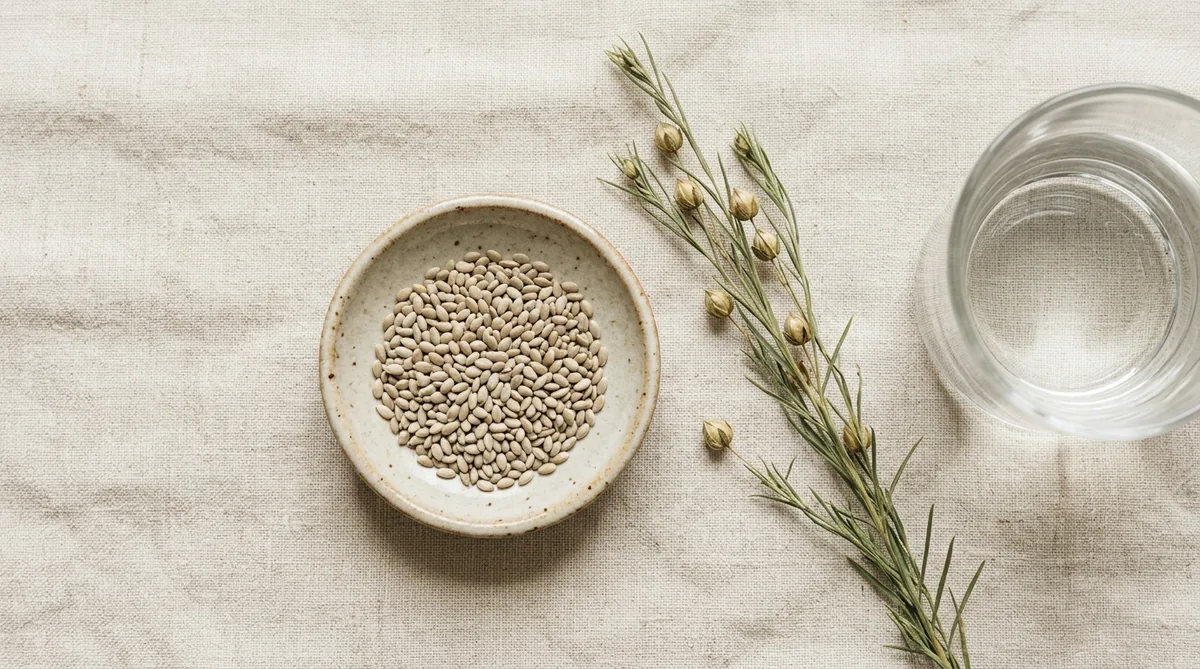
A dry portion looks like nothing much. Add water and within a quarter of an hour it turns into a gel several times its original volume. The mechanism is purely physical.
Black psyllium or blond psyllium? Two different plants
The two get confused constantly, product descriptions included. Four things tell them apart.
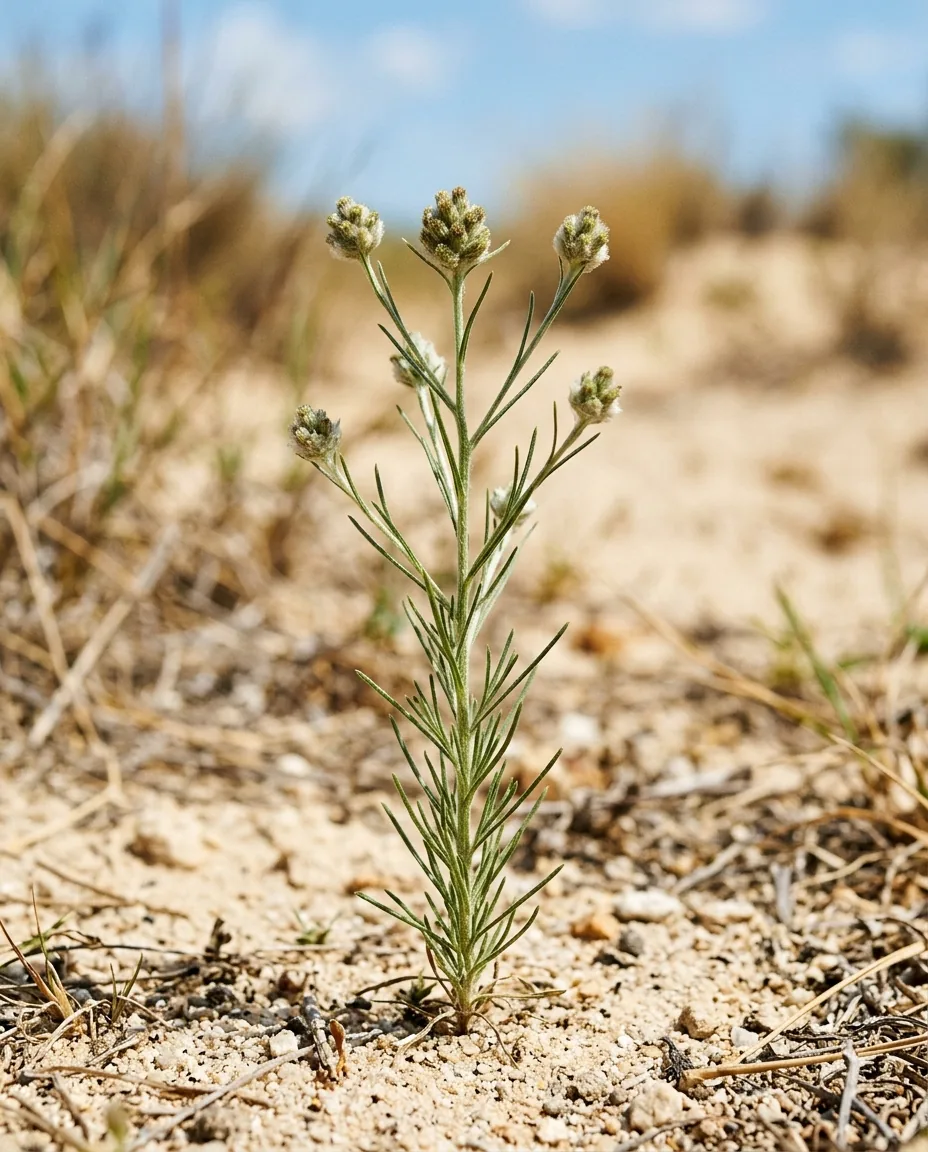
- Botanical name. Black psyllium is Plantago psyllium, also listed as Plantago afra. Blond psyllium, sometimes called white psyllium, is Plantago ovata.
- Part used. Black psyllium is the whole seed. Blond psyllium is mainly the husk that surrounds it.
- Appearance. Small, dark seeds against pale, light husks.
- Trade name. Black psyllium is sold as psyllium seed or black psyllium; blond psyllium as psyllium husk, white psyllium or ispaghula.
Both deliver soluble fibre and work on the same principle. They differ in the part of the plant used and in the texture once soaked. When buying, read the botanical name, because trade names get used interchangeably.
Why add it to your diet?
Mainly to top up fibre, which most everyday diets are short of. Vegetables and wholegrain foods have been losing to convenience for years, and consumption figures show it plainly.
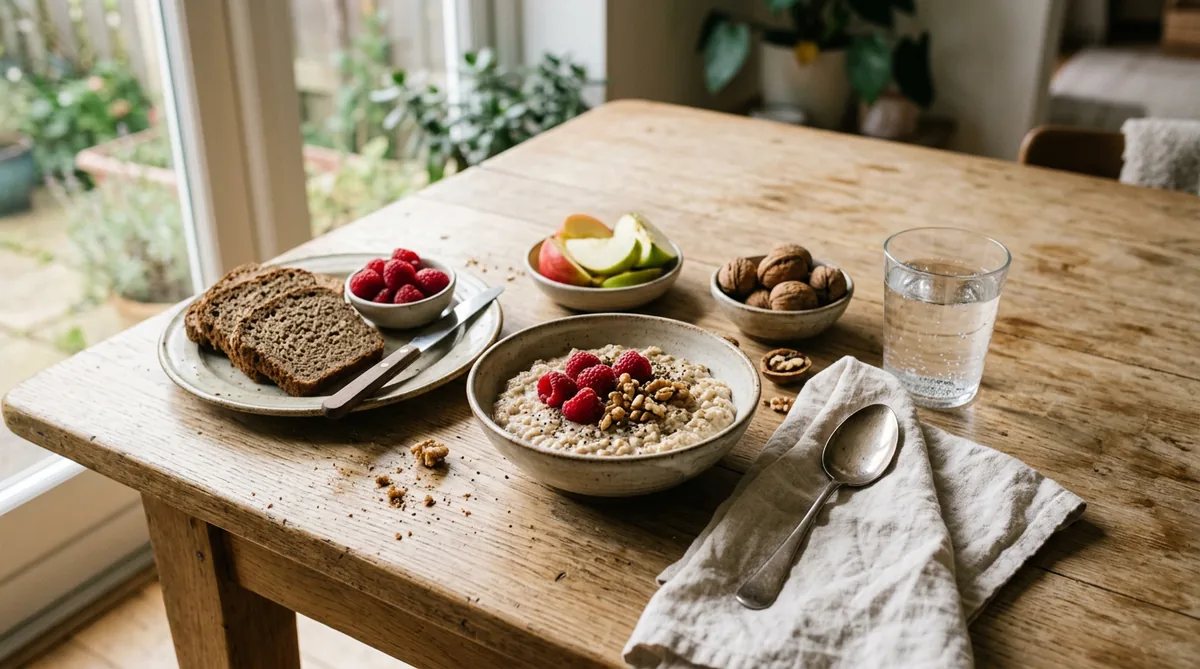
Two reasons come up most often: digestive comfort, and support while losing weight.
Losing weight, sensibly
The internet promises more here than the plant can deliver. Black psyllium does not burn fat. It does not speed up metabolism. It does not replace a calorie deficit. No plant ingredient does, and anyone claiming otherwise is selling hope.
What it actually does: the gel that forms once the seeds soak fills the stomach and gives a feeling of fullness at practically zero calories. For someone who loses the evening battle with snacking, that can genuinely help. But it supports a diet, it does not replace one.
It is usually taken about a quarter of an hour before a meal.
Three forms
Traditionally black psyllium is taken as whole seeds: you measure them out, add water, wait a quarter of an hour for the gel to form, and drink.
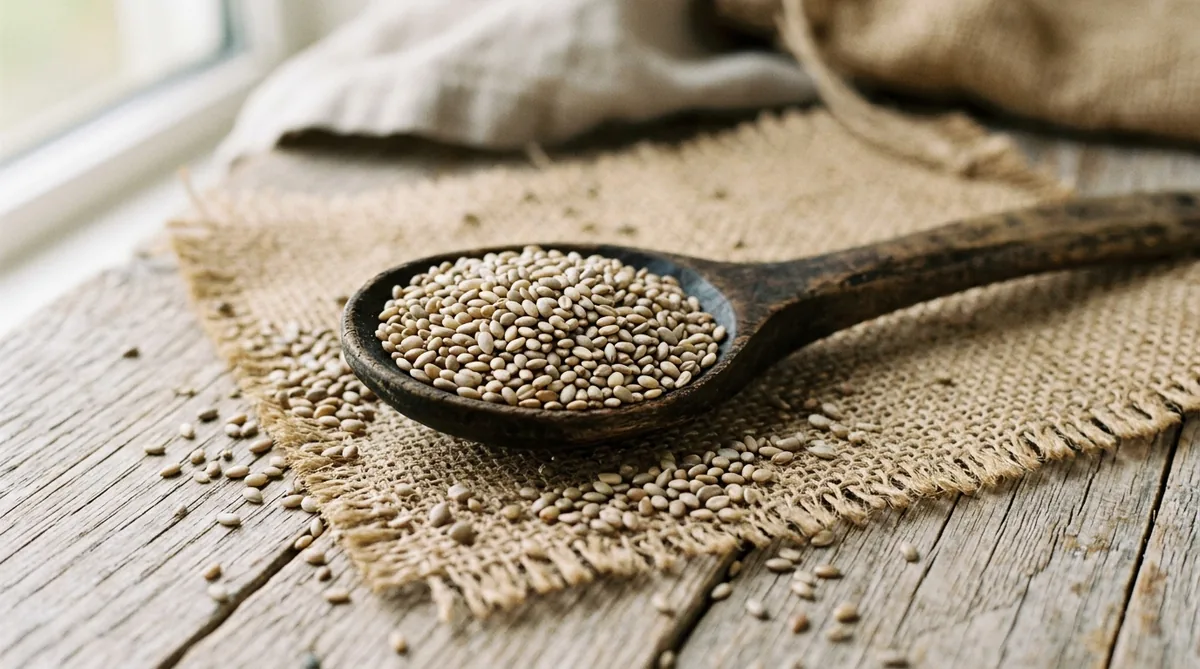
Ground seeds
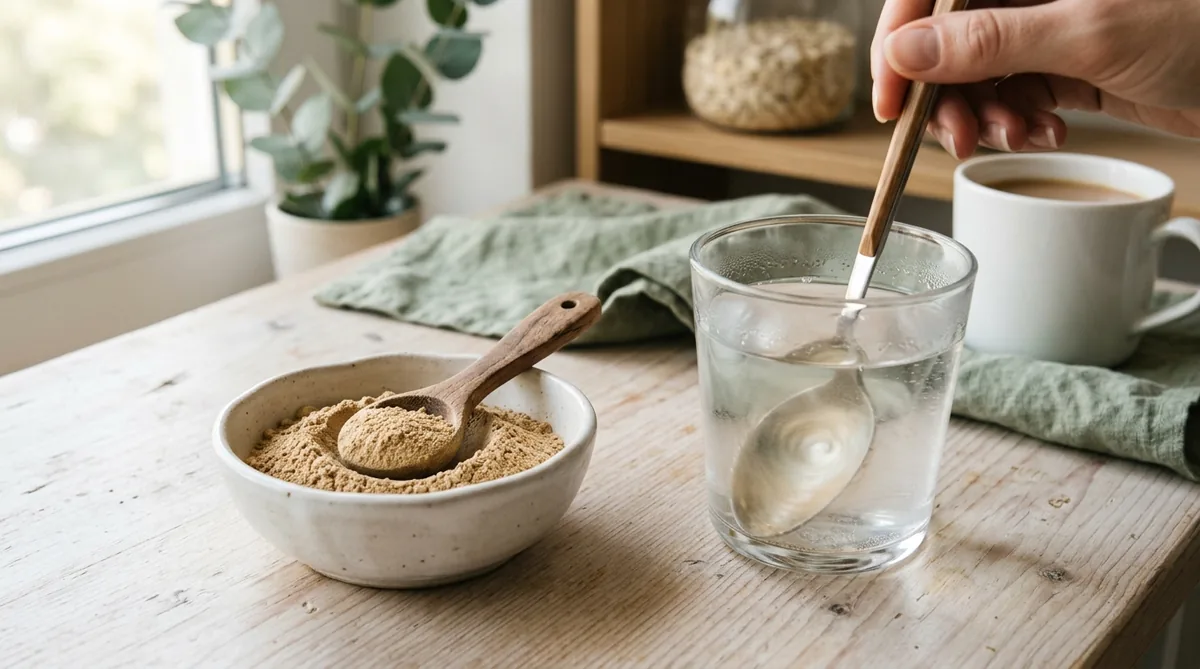
Ground seeds swell noticeably faster than whole ones. Tip them into a glass, stir, wait a few minutes instead of fifteen, drink. Measuring a portion is easier too, and you can adjust it to yourself rather than being locked into the dose a capsule dictates.
Capsules
The simplest option: swallow a capsule and drink water. No measuring out portions, no stirring, no waiting for anything to thicken.
Wash it down with a large glass of water, at least 250 ml, and drink another within the next hour.
Whichever form you choose
Start with small portions. Going from a low-fibre diet straight to a full dose usually ends in bloating. The body needs a few days to adjust.
Keep drinking water through the rest of the day. Soluble fibre binds fluid from the body, so if you are already drinking too little, sort out your hydration first.
What to keep in mind
Spacing around medicines. Fibre can affect the absorption of substances taken by mouth. Leave at least an hour before medicines or two hours after them. If you are on long-term treatment, agree the timing with your doctor or pharmacist.
Always with plenty of fluid. Without enough water, swelling preparations can cause discomfort or hold-up in the digestive tract.
When not to use it: with difficulty swallowing, with narrowing or obstruction of the digestive tract, with a sudden change in bowel habit of unexplained cause. In pregnancy, while breastfeeding and in children.
Not indefinitely, without a reason. Fibre is there to supplement a diet, not to impersonate one. Ideally it comes from vegetables, fruit and wholegrains, with black psyllium closing the gap.
How to choose a sensible product
We offer black psyllium in two forms, and the choice comes down mostly to your morning routine and how much time you have.
Ground Psyllium, 150 g forms a gel faster, makes a portion easier to measure and mixes more readily in a glass.
Psyllium, 60 capsules no measuring and no waiting, good for travel and for the office. Just remember to drink plenty of water with it.
Questions we get most often
What is black psyllium used for?
As a plant source of dietary fibre, topping up the amount in an everyday diet.
How do I take black psyllium capsules?
Swallow and wash down with a large glass of water, at least 250 ml, then drink another within the next hour. Start with small portions.
How do I take ground black psyllium seeds?
Stir it into a glass of water, wait a few minutes for the gel to form, drink it and follow with another glass.
How much water do I need to drink?
A glass to prepare it, another glass afterwards, plus normal hydration through the day.
Does black psyllium help you lose weight?
It does not burn fat. It may support a feeling of fullness, which can help while dieting.
How does it differ from blond psyllium?
They are two different species. Black psyllium is the whole seed of Plantago psyllium; blond psyllium, also sold as white psyllium, is the husk of Plantago ovata. They work in similar ways.
Can I take it with medicines?
With a gap: an hour before or two hours after. If you are on ongoing treatment, check with your doctor or pharmacist.
How long can I take it for?
As a periodic supplement to the diet, not as a permanent replacement for fibre from food.
This text is for information only. Food supplements are not a substitute for a varied diet and a healthy lifestyle.

